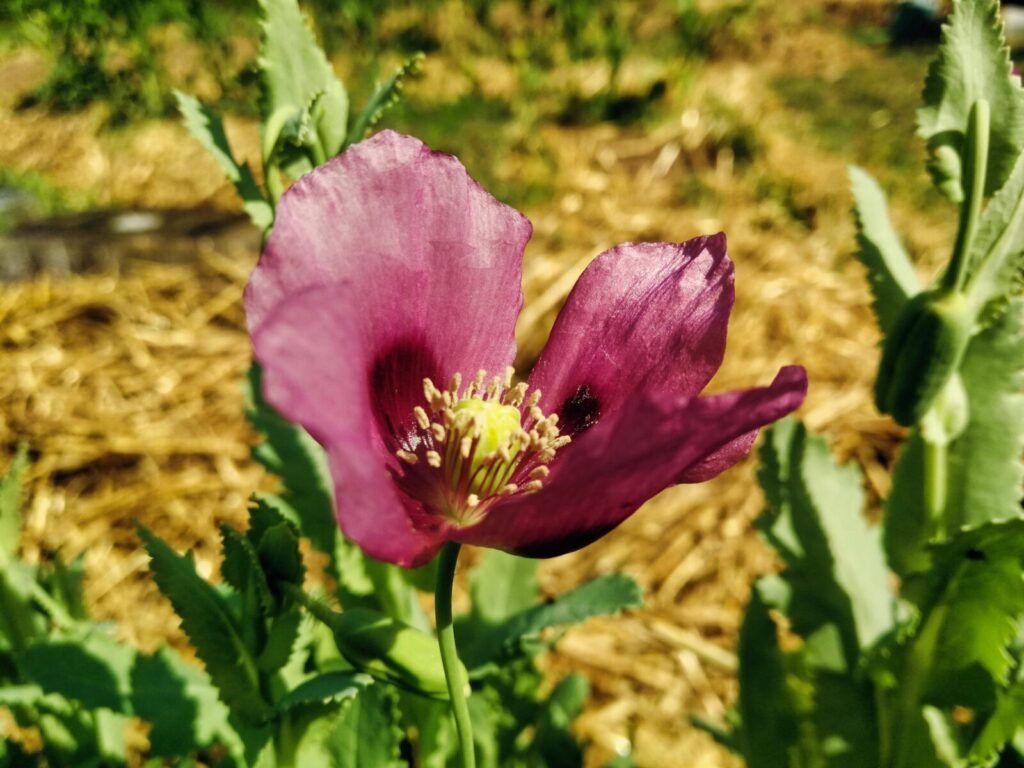

Common name: Violet Glycine
Latin name: Wisteria sinensis / Wisteria floribunda (purple-flowered variety)
Format: Home garden seed sachet
Presentation
Wisteria is a legendary climbing plant, appreciated for its hanging flower clusters. This pack contains seeds selected to produce beautiful wisteria with deep purple flowers, ideal for covering pergolas, walls and arbours.
This variety is chosen for its good vigour and relative resistance to mild winters. It will suit gardeners who love classicism and natural beauty.
Main characteristics
- Type of plant : Woody liana
- Flower colour: Deep violet, shades of lilac
- Exposure: Full sun to part shade
- Soil: Deep, fertile, well drained
- Hardiness: USDA zone 6-9 (resistance varies according to microclimate)
- Height: 5 to 15 m depending on support and age
- Uses: Pergola, trellis, covered wall, garden entrance
Sowing advice (traditional method)
- Pre-treatment of seeds
Soak seeds in warm water for 24 hours. Lightly scarify the shell if it is very hard to encourage germination. - Sowing period
Sow indoors in spring (February to April) for best results. It is possible to sow outdoors in late spring if the risk of frost has passed. - Substrate
Light, draining mix: universal potting soil mixed with 20% coarse sand and a little mature compost. - Depth and spacing
Sink the seed 1 cm deep. Keep pots moist but never soggy. Ideal temperature 18-22°C. - Germination
Germination can be slow and uneven, taking 2 to 8 weeks. Transplant into larger pots when the first pair of true leaves appear. - Final planting
Plant out after 1 to 2 years, when the plant has grown to at least 30-40 cm and the risk of frost has passed.
Planting and maintenance
- Support: use a solid trellis or pergola. Wisterias are heavy and thicken over time.
- Pruning: training pruning for the first few years, then maintenance pruning every winter to control vigour and encourage flowering. Cut off side shoots at 2-3 buds.
- Watering: regular for the first few years, then moderate. Avoid excess water at the crown.
- Fertilising: composting in spring is generally sufficient. Avoid nitrogen-rich fertilisers, which favour the foliage to the detriment of the flowers.
Diseases and pests
Wisteria is generally hardy but can suffer from :
- Crown rot in poorly drained soils
- Mealybugs or aphids on young shoots
- Sometimes flowering failure due to excess nitrogen or inappropriate pruning
Monitor and treat in a targeted manner, giving preference to mechanical and biological methods.
Practical timetable
- Pre-treatment: winter (scarification) if desired
- Indoor sowing: February to April
- Emergence: 2 to 8 weeks
- Installation: late spring after frost
- Maintenance pruning: end of winter
Sachet contents
Each sachet contains around 10 seeds.
Gardener’s advice
Patience is the mother of wisteria. Wait several years for spectacular flowering: grafting or planting an older specimen will give faster results, but sowing remains the most rewarding option for those who love tradition and the gardener’s gesture.