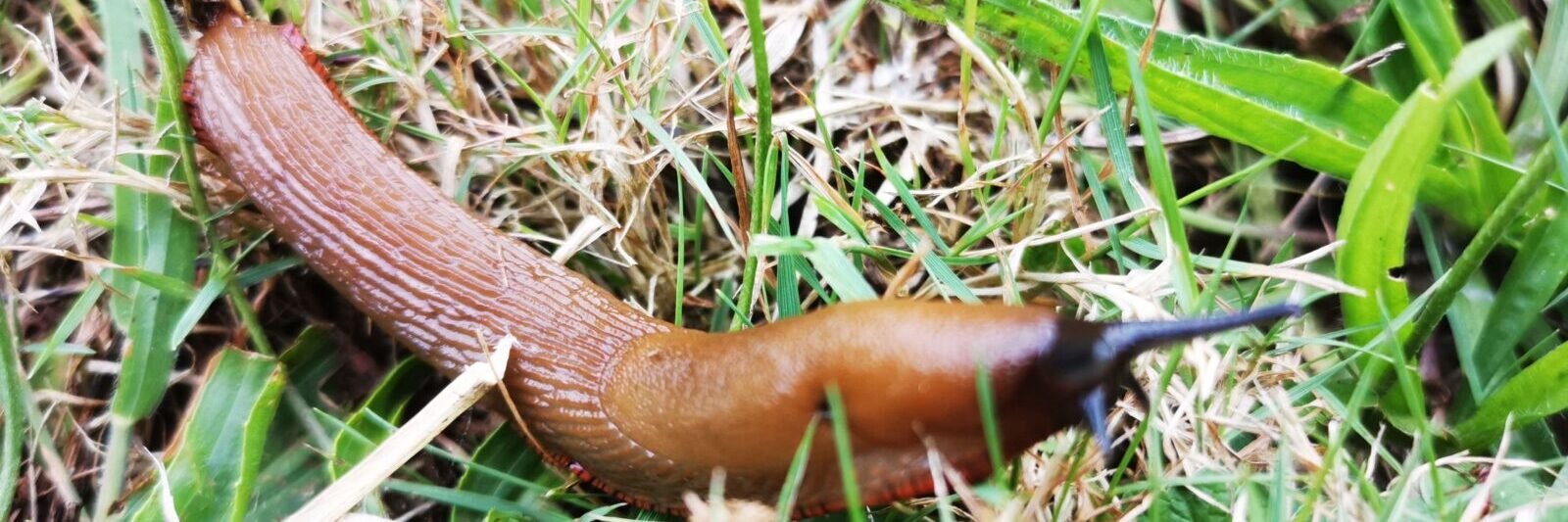
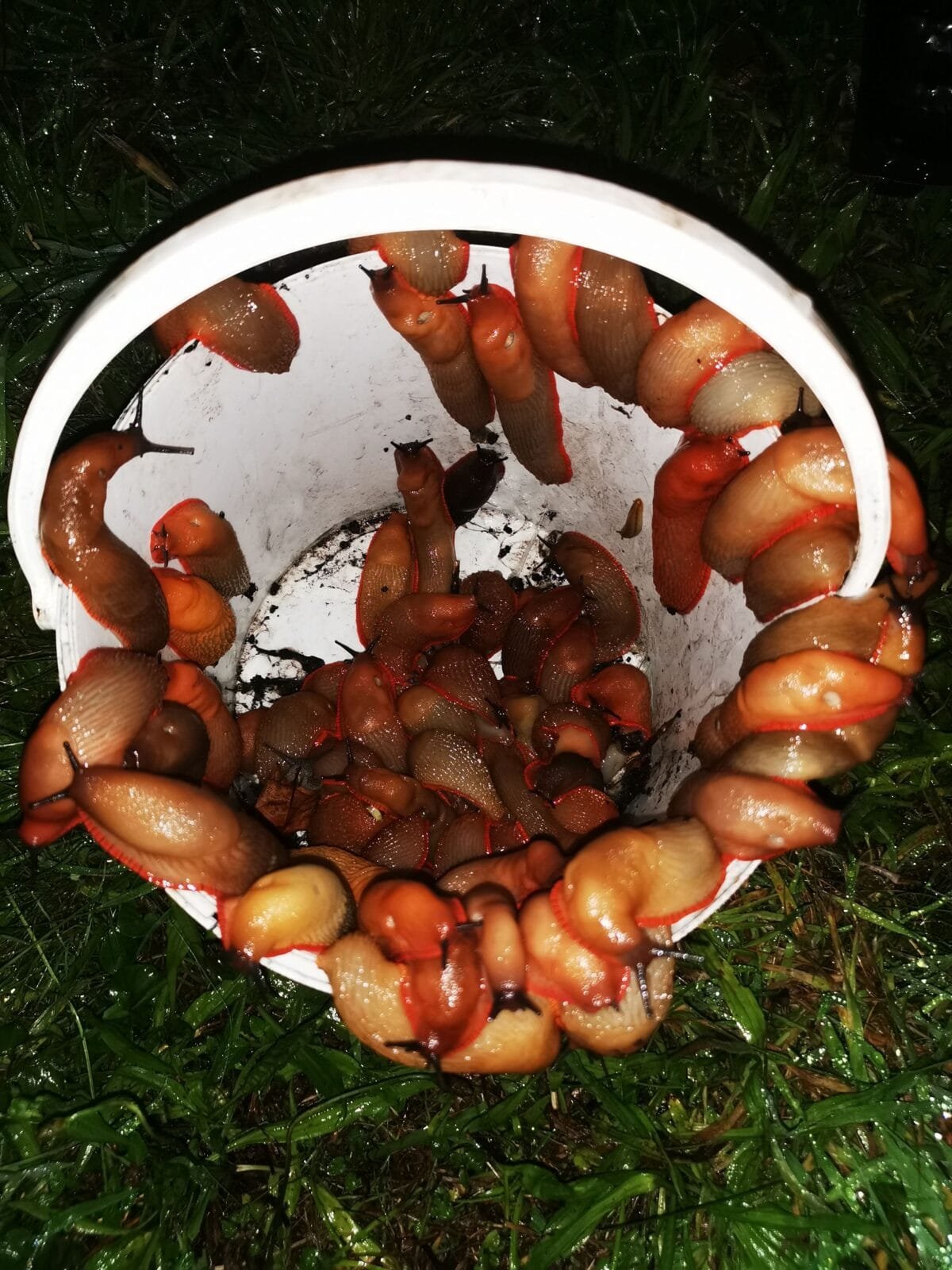
We have shared with you the challenges of a particularly rainy year in Kerbeleg. Between the incessant downpours and the constant damp warmth, our permaculture mandala vegetable garden has turned into a veritable paradise for gastropods. The seedlings, which had sprouted in the greenhouse in spring and were pampered and tended to daily, had to contend with countless slugs. These voracious, slimy creatures devoured our young vegetable shoots, turning the harvest into a race against time. Faced with this unprecedented invasion, one question quickly sprang to mind: how could we effectively manage the slug population without disrupting the ecological balance of our living soil?
The illusion of old wives’ remedies
In search of answers, many gardeners naturally turn to folk remedies passed down through the generations. Wood ash, coffee grounds, crushed eggshells, pine needle mulch or sand barriers: the list of miracle cures is long. However, real-world experience leads us to an inescapable conclusion: none of these old wives’ tales really work in the long term, especially when the damp Breton weather sets in for the long haul.
Eggshells and sand, which are supposed to injure or deter slugs due to their abrasive texture, lose all effectiveness as soon as the first drops of rain fall. Slugs produce a thick mucus that allows them to glide effortlessly over sharp surfaces. As for wood ash and coffee grounds, they form a barrier as long as they remain completely dry. But at the slightest shower or under the influence of morning dew, the ash turns into a harmless paste and the coffee grounds are washed into the soil, leaving the way clear for the predators of our salad leaves.
The beer trap: a false good idea
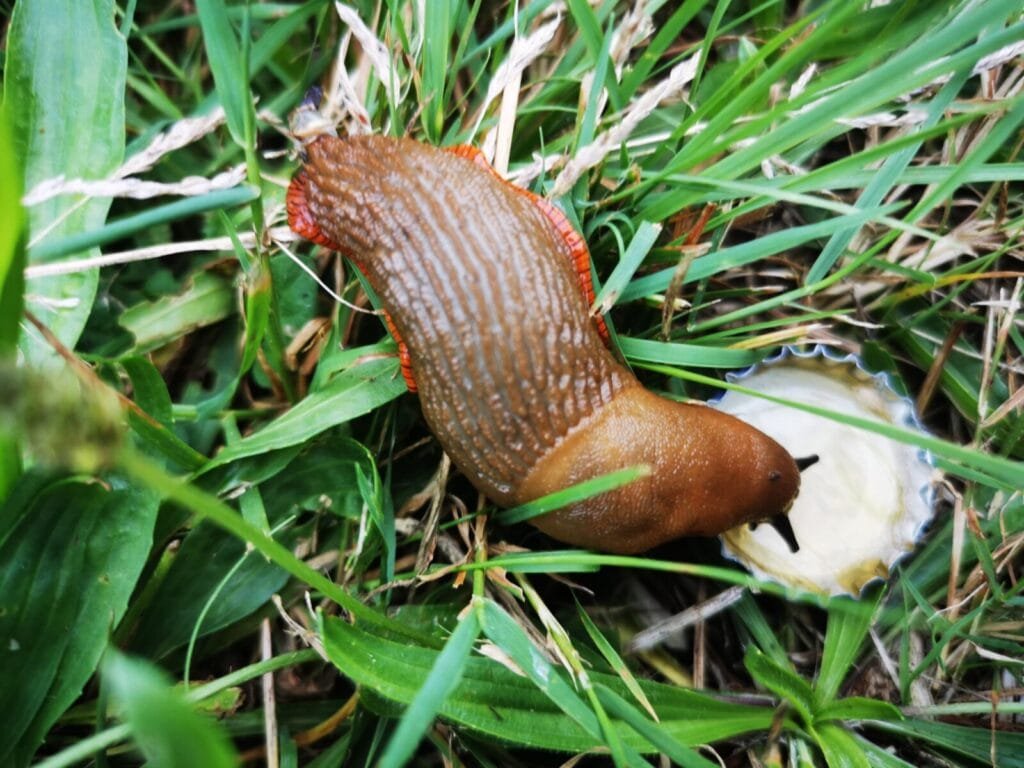
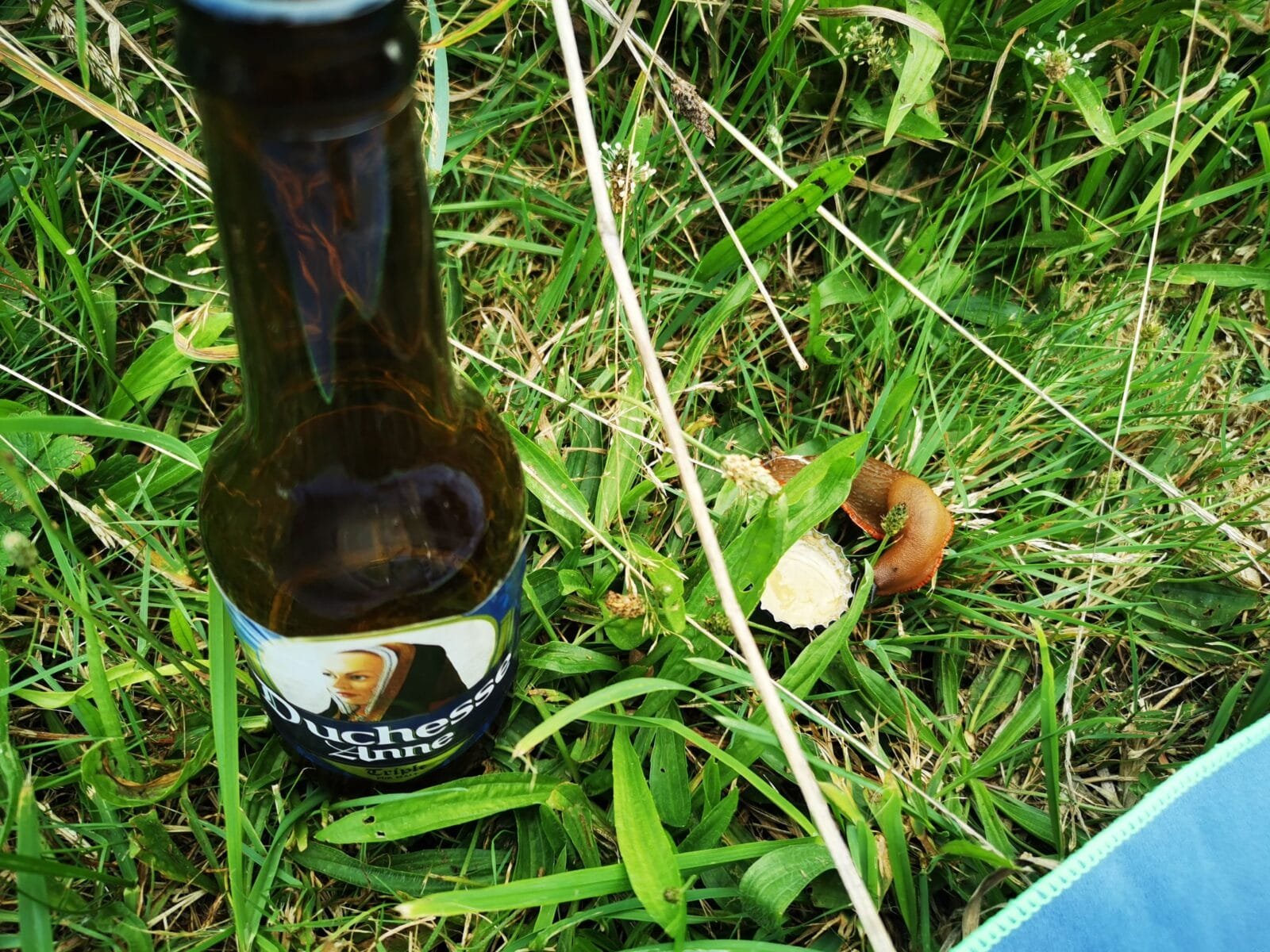
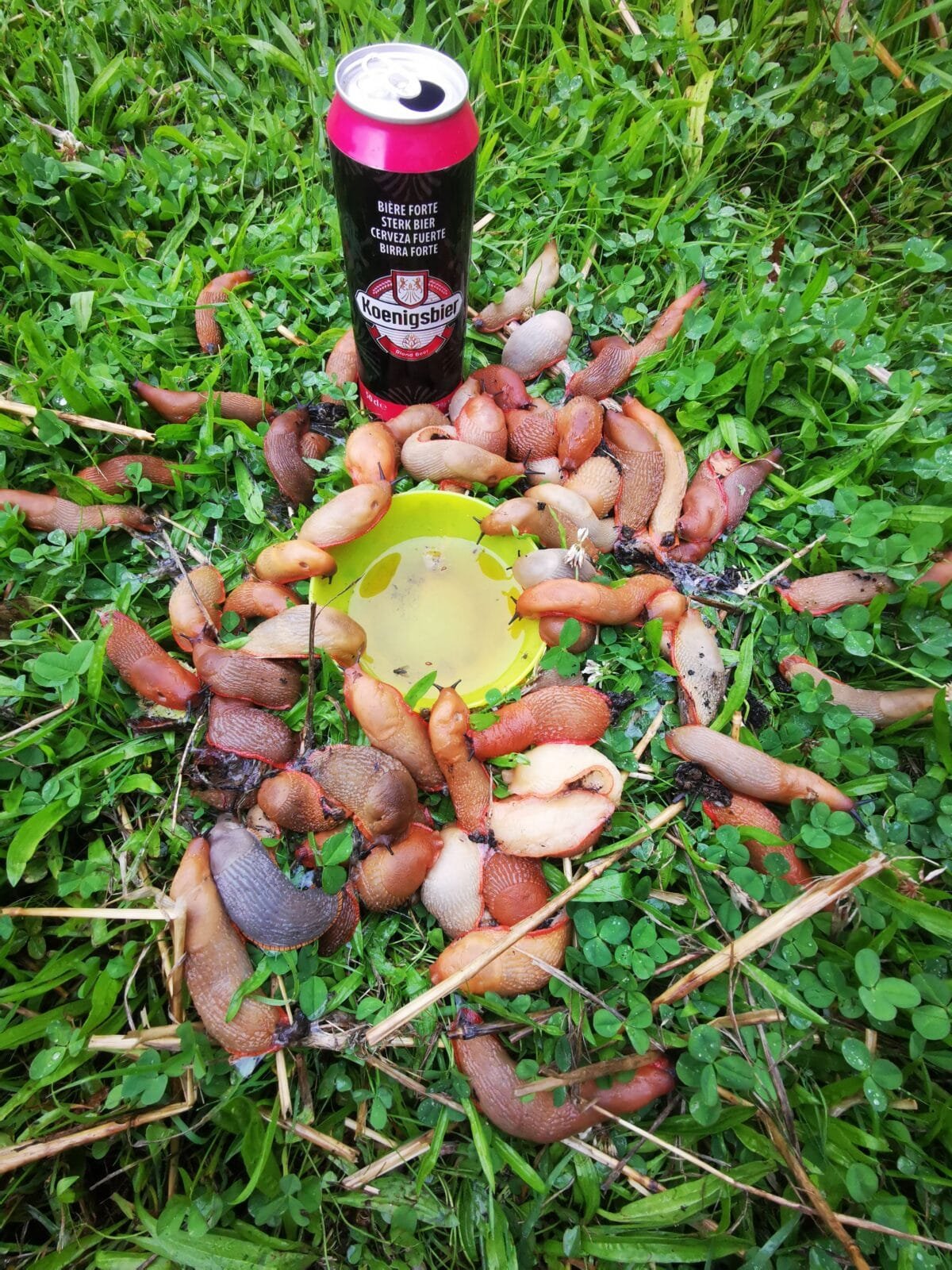
The case of beer deserves special attention. Beer traps are often praised in organic gardening guides. Whilst the smell of hops and yeast does indeed attract slugs spectacularly, this remedy turns out to be a poisoned chalice. By placing small bowls of beer amongst your crops, you create a veritable olfactory magnet. You attract not only the slugs from your own vegetable patch, but also those from neighbouring gardens, within a radius of several tens of metres. A tiny fraction of them end up drowning in the liquid, whilst the majority stop along the way to feast on your finest vegetables. This method makes the problem worse rather than solving it.
Understanding the ecological role of the gastropod
To break this deadlock, we need to understand the slug’s place in the soil ecosystem. In permaculture, the temptation to completely eradicate a species is a fundamental mistake. The slug is not merely a pest to be destroyed at all costs; it is, above all, a useful decomposer that is essential to soil life. It feeds mainly on decaying organic matter, withered leaves, fungi and faecal matter. Through chewing and digestion, they break down plant tissue, allowing bacteria and microscopic fungi to colonise the material, thereby accelerating the formation of humus. Completely eradicating slugs would be tantamount to depriving the living soil of an essential link in its recycling cycle.
Natural control: the gardener’s allies
The real challenge, therefore, is not total eradication, but regulating populations to maintain an acceptable balance in the vegetable garden. To achieve this, introducing natural predators remains the most effective and environmentally friendly strategy. At Kerbeleg, we are fortunate to have two major allies to help with this task of population control.
The toad, sentinel of the shadows
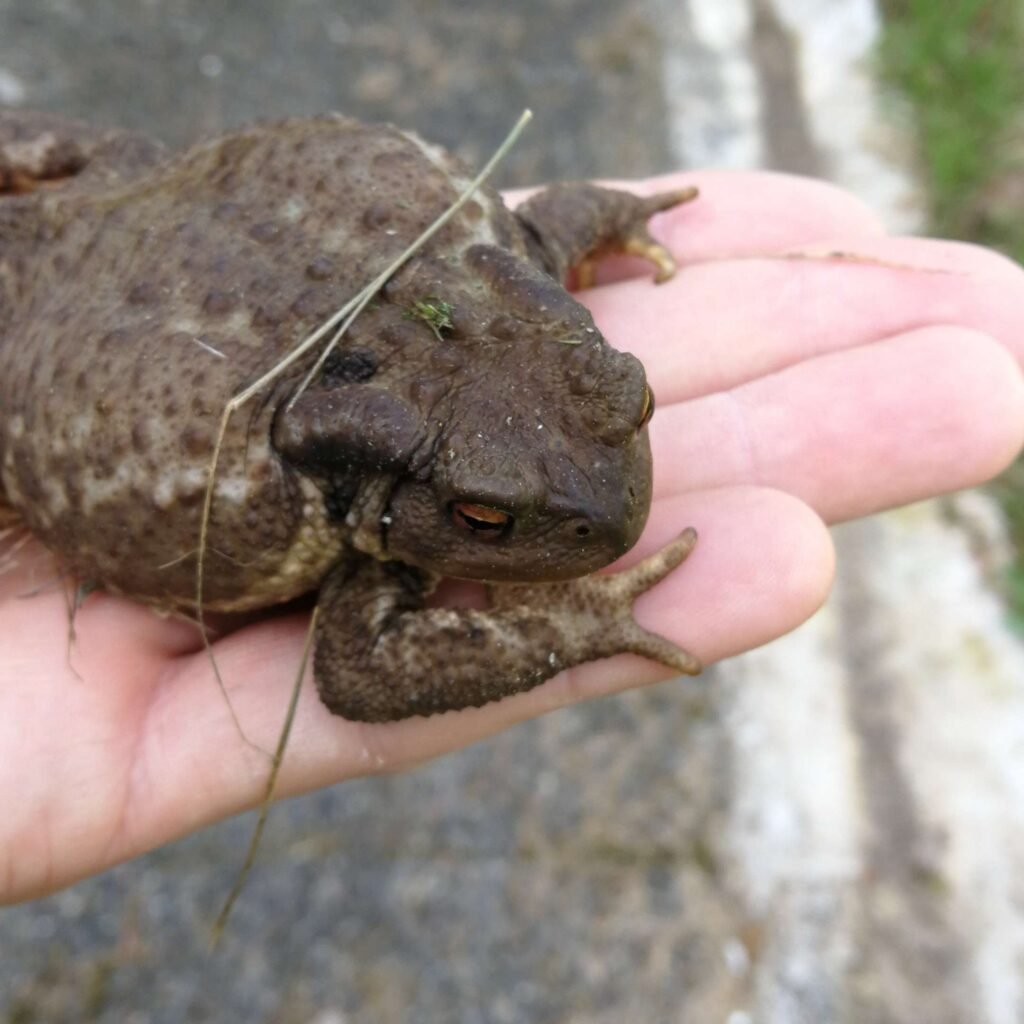
The first of these invaluable helpers is the toad. Found naturally in the shady, damp areas of our park, this unassuming amphibian is a formidable nocturnal hunter. As soon as night falls, it scurries across the ground in search of food. Although it is too small to tackle large red slugs or big grey loaches, the toad manages to consume an impressive number of small slugs and eggs hidden beneath the leaves. By creating specific shelters in the vegetable garden, such as woodpiles, stacked stones or upturned terracotta pots, we encourage these discreet guardians, who work in the shadows, to settle in.
Our 5 Indian Runner ducks
For the larger slugs – the ones that devour our surviving courgettes and tomatoes – we call upon our designated specialists: our five Indian runner ducks. These birds, with their characteristic upright posture and amusing gait, are an integral part of life on our estate. Unlike hens, which tend to scratch frantically at the ground, digging up young plants or pecking at ripe vegetables, Indian runner ducks move lightly amongst the crops without causing any major damage to the vegetation.
Their absolute passion for slugs makes them the permaculture gardener’s ideal helpers. With their keen eyesight and insatiable appetite for gastropods, they methodically inspect every nook and cranny of the mandala vegetable patch, rummaging under the mulch and between the rows of vegetables to flush out the unwanted pests, whatever their size. Their effectiveness is formidable: where physical barriers fail, the daily passage of our little flock of ducks helps keep slug pressure at a level that is entirely manageable for our crops, whilst allowing a few individuals to carry out their work of decomposition deep within the soil.
Conclusion: working with nature
Experiencing a difficult year in the vegetable garden reminds us of the importance of observation and adaptation in the face of the vagaries of the weather. Rather than waging a losing battle using ineffective techniques or destructive chemicals, we choose to integrate local and domestic wildlife into the heart of our overall approach. By combining the toads’ night-time work on small slugs with the targeted action of our five Indian runner ducks on the larger ones, we manage to protect our crops whilst preserving the essential ecological role of these slimy decomposers. It is in this way – by working with nature rather than seeking to subdue it – that the Kerbeleg vegetable garden continues to provide food for our tables throughout the seasons.